
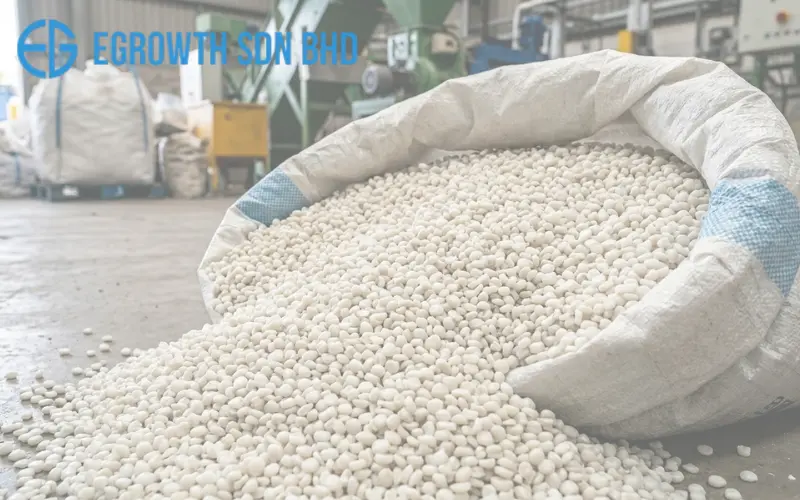
The circular economy isn’t just a trendy concept it’s the future of how we make, use, and reuse stuff without trashing the planet. At its heart, recycled Low-Density Polyethylene (LDPE) granules play a starring role. LDPE is that flexible plastic in shopping bags, squeeze bottles, films, and wraps. Recycling it into granules keeps it looping back into production instead of piling up in landfills. But why are these granules so vital for scaling up the circular economy? In this straightforward guide, we’ll unpack their importance, benefits, challenges, and real-world impact. If you’re in manufacturing, packaging, or sustainability, this is your roadmap to understanding why recycled LDPE is a must-have.
Understanding LDPE and Its Recycling Basics
LDPE, or Low-Density Polyethylene, is a lightweight, tough plastic with low density (0.91-0.94 g/cm³) and great flexibility. It’s everywhere: grocery bags make up 40% of plastic waste in many countries. Virgin LDPE comes from oil, but recycling turns waste into granules small pellets melted and reformed for new products.
The process is simple: Collect waste, sort it (remove contaminants like paper or metals), wash, shred, melt-extrude into strands, cool, and pelletize. High-quality recycled LDPE granules match virgin specs in melt flow index (MFI 0.5-20 g/10min) and tensile strength. They’re not perfect color might be off-white or require additives but tech like optical sorters has made them reliable. Producing one ton of recycled LDPE saves about 1.5 tons of oil equivalent and cuts CO2 by 80% versus virgin.
The Circular Economy Explained Simply
Forget linear “take-make-waste.” Circular economy means designing out waste: products get reused, repaired, remanufactured, or recycled endlessly. Plastics like LDPE are prime candidates because they’re durable and recyclable. Granules bridge waste to new goods, closing the loop. Without them, we’d drown in 400 million tons of annual plastic waste, projected to double by 2050.
Environmental Wins: Reducing Waste and Pollution
Recycled LDPE granules tackle plastic pollution head-on. Oceans choke on 14 million tons yearly, much LDPE from bags. Recycling diverts this: one ton of granules recycles 20,000 bags, preventing microplastics harming marine life.
Landfills shrink too plastics take 500 years to break down, leaking methane. In the EU, recycled plastics cut landfill use by 25%. Energy savings are huge: recycling LDPE uses 80% less energy than virgin production. Water use drops 90%, and no toxic emissions from cracking naphtha.
Biodiversity benefits indirectly: Less virgin plastic mining spares habitats. Studies show scaling recycled LDPE could slash global plastic emissions by 30% by 2030.
Economic Advantages: Cost Savings and Job Creation
Circular economy grows economies too. Recycled LDPE granules cost 20-50% less ($0.70-$1.10/kg vs. $1.20-$1.80 for virgin), shielding against oil price spikes (LDPE tracks crude at 60%). Manufacturers save big: a packaging firm switching saved $500K yearly on 1,000 tons.
Jobs boom recycling creates 10x more employment than landfilling. Globally, the recycled plastics sector employs 1 million, with LDPE sorting/processing hubs in Asia and Europe expanding. It stabilizes supply chains: post-COVID shortages hit virgin resins; recyclers filled gaps.
Innovation spins profits: Blends like 50% recycled LDPE in films cut costs while meeting “recycled content” mandates (e.g., EU’s 25% by 2025).
Boosting Sustainability in Key Industries
Recycled LDPE shines in high-volume sectors:
Packaging: 60% of LDPE use. Granules make shrink wrap, pouches Unilever uses 100% recycled in some lines, reducing virgin demand by 50,000 tons/year.
Agriculture: Mulch films from granules extend crop yields, recyclable post-harvest.
Construction: Pipes and geomembranes last decades.
Consumer Goods: Toys, bottles safe if food-grade certified.
Governments push it: US Plastic Pact aims for 50% recycled content; China’s bans virgin in bags favor recyclers.
Overcoming Challenges for Wider Adoption
It’s not all smooth. Contamination plagues recycling 10-20% impurities lower quality. Solutions? AI sorting (boosts purity to 98%) and chemical recycling for “virgin-like” granules.
Economics: Collection costs $200-400/ton. Fixes include EPR (Extended Producer Responsibility) fees funding infrastructure.
Standards vary look for ISCC+ or GRS certification ensuring traceability. Consumer education matters: “Recycle right” campaigns cut errors 30%.
Policy and Future Outlook
Policies accelerate growth. EU’s Single-Use Plastics Directive mandates recycled content; similar in California and Japan. Incentives like tax breaks for recyclers multiply impact.
Tech frontiers: Enzymatic breakdown (Carbios recycles 100% LDPE to monomers) and pyrolysis yield premium granules. By 2030, recycled LDPE could hit 20% market share, per Ellen MacArthur Foundation.
Challenges remain scale collection (only 9% plastics recycled globally) but investments ($100B pledged at COP26) signal momentum.
Why Act Now? Your Role in the Shift
Recycled LDPE granules aren’t optional; they’re crucial for circular economy takeoff. They slash waste, save money, create jobs, and future-proof businesses. Manufacturers: Demand them your specs drive supply. Policymakers: Fund sorting tech. Consumers: Sort waste.
Switching builds resilience: Oil shocks or bans won’t derail you. Brands gain loyalty 70% consumers prefer sustainable packaging.
In summary, recycled LDPE granules fuel the circular engine by turning trash to treasure. With environmental urgency, economic sense, and proven wins, ignoring them risks falling behind. Embrace them, and watch the circular economy thrive one granule at a time.
