
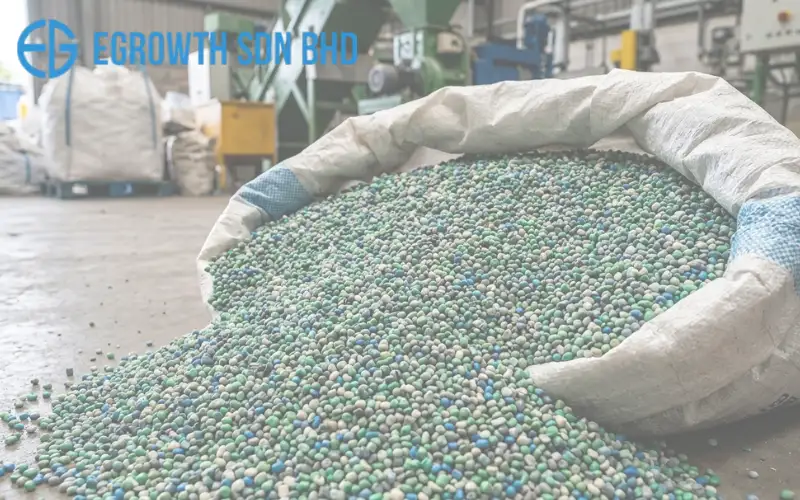
In today’s world, where sustainability is more than just a buzzword, recycled polypropylene (PP) granules are gaining massive popularity. Businesses in packaging, automotive, textiles, and consumer goods are switching to these eco-friendly materials to cut costs and reduce their carbon footprint. But with so many suppliers popping up, picking the right one can feel overwhelming. How do you know who’s reliable? What if you end up with low-quality granules that ruin your production? Don’t worry this guide breaks it down simply. We’ll walk you through practical steps to choose the best recycled PP granules supplier, ensuring you get top-notch material without headaches.
Why Recycled PP Granules Matter
First off, let’s get why these granules are a game-changer. PP, or polypropylene, is a tough, versatile plastic used everywhere from bottle caps to car bumpers. Recycling it means turning post-consumer or industrial waste into fresh granules ready for molding or extrusion. The perks? It’s cheaper than virgin PP (often 20-40% less), helps meet green regulations, and keeps plastic out of landfills. But quality varies wildly. Poor suppliers might sell contaminated granules with impurities like metal bits or wrong melt flow rates, leading to defects in your products. A great supplier delivers consistent, high-purity granules that perform just like new material. Your choice here directly impacts your bottom line and reputation.
Step 1: Check Certifications and Compliance
Start with the basics verify they’re legit. Look for certifications that prove their recycling process is clean and safe. Key ones include:
ISO 9001: For quality management systems. It shows they have processes to maintain standards.
ISO 14001: Environmental management, ensuring they minimize waste and pollution.
GRS (Global Recycled Standard): Confirms the recycled content and tracks the supply chain ethically.
REACH and RoHS compliance: Especially if you’re in Europe or electronics these ensure no harmful substances like heavy metals.
Ask for these certificates upfront. A reputable supplier will share them proudly on their website or via email. Skip anyone vague or without proof; it’s a red flag for shady operations.
Step 2: Evaluate Material Quality and Specifications
Quality is king. Recycled PP granules come in grades like homopolymer or copolymer, with specs on melt flow index (MFI), density, color, and additives. Here’s how to assess:
Request Samples: Always test before buying bulk. Run trials in your machines to check extrusion smoothness, strength, and color consistency.
Purity Levels: Aim for 99%+ purity. Ask about contamination rates good suppliers use advanced sorting like NIR spectroscopy to remove PVC, PE, or labels.
MFI Consistency: PP for injection molding needs 10-30 g/10min; for blow molding, lower. Inconsistent MFI causes processing issues.
Color and Additives: Natural, black, or custom colors? UV stabilizers or antioxidants added?
Visit their facility if possible. See their washing lines, extruders, and pelletizers in action. Clean plants with automated controls mean better granules.
Step 3: Assess Production Capacity and Scalability
You need a supplier who can keep up. Small runs are fine for startups, but growing businesses demand reliability.
Monthly Output: Check if they produce 500 tons or 5,000+ tons. Match it to your needs.
Lead Times: Reliable ones deliver in 7-14 days, not months.
Stock Availability: Just-in-time inventory prevents delays.
Scalability: Can they ramp up for your expansion? Ask about multiple lines or global sourcing.
Get references from similar clients. A supplier handling big automotive orders likely scales well for you.
Step 4: Review Pricing and Value for Money
Price matters, but don’t chase the cheapest. Recycled PP granules typically cost $0.80-$1.20/kg, depending on grade and region.
Transparent Pricing: Fixed rates per ton, no hidden fees for testing or packaging.
Volume Discounts: Better deals for larger orders.
Total Cost: Factor in shipping, MOQ (minimum order quantity), and returns policy.
Market Fluctuations: Good suppliers lock in prices or offer hedging.
Compare quotes from 3-5 suppliers, but weigh against quality. Cheap granules might save $0.10/kg now but cost thousands in rejects later.
Step 5: Prioritize Sustainability and Traceability
True eco-suppliers go beyond recycling they track origins.
Source of Waste: Post-consumer (bottles) vs. pre-consumer (factory scraps). Post-consumer is “greener” but harder to clean.
Carbon Footprint Data: Some provide LCA (Life Cycle Assessment) reports showing 70-80% less emissions than virgin PP.
Blockchain Traceability: Cutting-edge ones use tech to verify every step from collection to delivery.
Waste Reduction: Do they upcycle rejects or partner with collectors?
This builds your brand’s green story. Customers love suppliers who audit their chain annually.
Step 6: Examine Logistics and Customer Service
Great material is useless if it doesn’t arrive on time.
Global Reach: For international buyers, check Incoterms (FOB, CIF) and customs expertise.
Packaging: 25kg bags, 1-ton big bags moisture-proof and labeled clearly.
Support: 24/7 tech help for processing issues? Dedicated account managers?
Returns Policy: Easy swaps for off-spec batches.
Read reviews on Google, Alibaba, or industry forums. Look for patterns in delivery complaints.
Step 7: Build Long-Term Relationships
The best suppliers become partners. Start with a trial order, then negotiate contracts with:
Price Stability Clauses: Protection against resin price swings.
Quality Guarantees: Compensation for defects.
Joint R&D: Custom blends for your needs.
Attend trade shows like K Show or PlastIndia to meet suppliers face-to-face.
Common Pitfalls to Avoid
Ignoring Local Regulations: Ensure compliance with your country’s import rules (e.g., FDA for food-grade).
Overlooking Testing: Don’t skip independent lab tests like tensile strength (ASTM D638).
FOMO on Trends: Bio-based PP is emerging, but stick to proven recycled unless tested.
Supplier Hype: Fancy websites don’t mean quality verify everything.
Final Tips for Your Search
- Shortlist 5 suppliers via Google, ThomasNet, or RecycleNet.
- Send RFQs with your exact specs (MFI, color, volume).
- Video call for facility tours.
- Sign NDAs for proprietary blends.
- Re-evaluate yearly markets change.
Choosing the best recycled PP granules supplier boils down to quality, reliability, and partnership. Invest time upfront, and you’ll reap savings, sustainability cred, and smooth operations for years. With the global recycled plastics market hitting $50B+ by 2025, now’s the time to get it right. Start your hunt today!
