
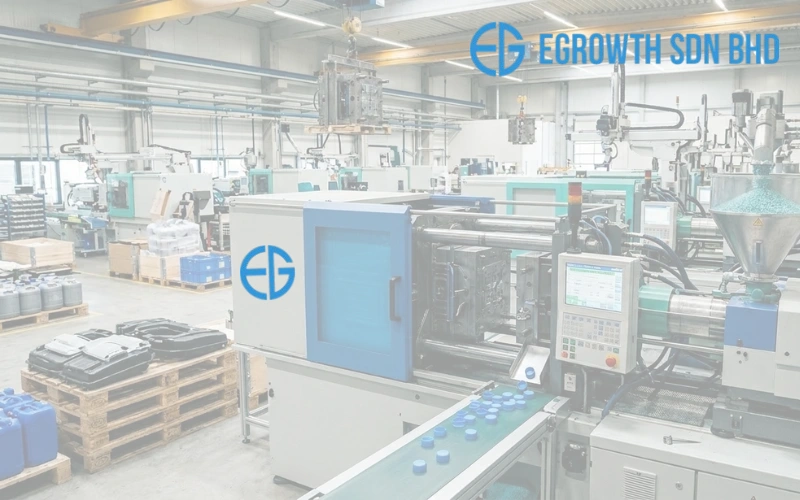
In today’s fast-paced manufacturing landscape, sourcing bulk plastic products is a critical step for businesses ranging from packaging companies to electronics producers. Plastics are ubiquitous think injection-molded components, custom extrusions, blow-molded bottles, and thermoformed trays. With global demand surging due to e-commerce growth and sustainable packaging needs, finding reliable bulk plastic product manufacturers has never been more essential. Unreliable suppliers can lead to delays, quality defects, subpar materials, and skyrocketing costs. This guide dives deep into practical strategies for identifying trustworthy partners, drawing from industry insights and real-world best practices. Whether you’re a startup scaling production or an established firm optimizing your supply chain, these steps will help you secure suppliers who deliver consistency and value.
Understanding Your Needs: The Foundation of Supplier Selection
Before scouring directories or attending trade shows, clarify your requirements. Bulk plastic manufacturing isn’t one-size-fits-all. Start by defining the product specs: What type of plastic? Polyethylene (PE) for flexible bags, polypropylene (PP) for durable containers, or polycarbonate (PC) for high-impact parts? Consider volume bulk typically means minimum order quantities (MOQs) from 1,000 to 100,000+ units. Factor in tolerances, such as ±0.1mm for precision molding, and customization like colors, textures, or additives (e.g., UV stabilizers).
Next, assess your timeline and budget. Rush orders inflate costs by 20-50%, while long lead times disrupt operations. Sustainability is non-negotiable now; demand suppliers using recycled resins or those certified for low-carbon processes. Tools like CAD software or prototyping services can help refine specs. For instance, a food packaging firm might prioritize FDA-compliant PET sheets, while an automotive supplier seeks ABS grades meeting ISO 9001 standards. Document everything in a Request for Quote (RFQ) to streamline outreach. This prep work filters out mismatches early, saving time and frustration.
Researching Potential Manufacturers: Where to Look
The digital age has democratized supplier discovery. Begin with online B2B platforms like Alibaba, ThomasNet, or Global Sources. These aggregate thousands of manufacturers, complete with verified badges, sample images, and buyer reviews. On Alibaba, filter for “Gold Suppliers” with Trade Assurance it’s a safety net covering payments if goods don’t match descriptions. ThomasNet excels for North American firms, emphasizing U.S.-based ISO-certified plastic injectors.
Industry-specific directories shine brighter. Plastics News or the Plastics Industry Association (PLASTICS) websites list vetted members. For Asia-heavy sourcing, check Made-in-China.com or IndiaMART, where hubs like Guangdong (China) and Gujarat (India) dominate. Search terms like “bulk HDPE blow molding manufacturers” yield targeted results. Trade shows are goldmines: NPE (The Plastics Show) in the U.S., K Show in Germany, or Chinaplas in Shanghai connect you face-to-face with execs. Virtual editions post-COVID make them accessible year-round.
Don’t overlook Google and LinkedIn. Advanced searches like “plastic extrusion manufacturers site:*.edu” uncover academic collaborations hinting at innovation. LinkedIn’s Sales Navigator lets you target procurement managers at firms like Berry Global or Amcor, revealing their supplier networks. Aim for 20-30 initial leads, noting location proximity cuts shipping costs and lead times (e.g., Mexico for NAFTA compliance).
Evaluating Credentials and Capabilities
Relevance trumps volume. Scrutinize capabilities via their websites or catalogs. Reliable bulk plastic manufacturers showcase cleanrooms for medical-grade parts, multi-cavity molds for high-volume runs, or in-house tooling to slash setup fees. Check machinery: Modern suppliers boast 500-ton+ injection presses from brands like Engel or Arburg, ensuring scalability.
Certifications are your litmus test. ISO 9001 signals quality management; IATF 16949 for automotive rigor; UL listings for flammability. Environmental creds like ISO 14001 or GRS (Global Recycled Standard) indicate green practices. For food-contact plastics, seek FDA, EU 10/2011, or LFGB approvals. Request third-party audits from SGS or Bureau Veritas fakes abound in low-cost regions.
Financial stability matters. Use Dun & Bradstreet or Alibaba’s credit reports to gauge solvency. A supplier with 10+ years in business, exporting to Fortune 500 clients, is safer than a fly-by-night operation. Case in point: During the 2021 resin shortage, established players like Sabic maintained supply, while marginal ones folded.
Vetting Through Communication and Samples
Cold emails rarely cut it initiate with personalized outreach. Reference their Chinaplas booth or a specific PP sheet product. Ask probing questions: “What’s your MOQ for 500ml PET bottles? Lead time for 50,000 units? Defect rate on recent runs?” Top suppliers respond within 24-48 hours with detailed quotes, including tooling costs ($5,000-$20,000 for complex molds) and unit pricing tiers.
Request samples insist on free or low-cost prototypes using your resin specs. Test them rigorously: Drop tests for impact strength, tensile pulls via ASTM D638, or haze measurements for clarity. A 2022 survey by Plastics Technology found 68% of buyers regretted skipping samples, facing 15%+ scrap rates.
Virtual factory tours via Zoom reveal operations. Look for organized floors, calibrated machines, and skilled workers (not child labor). Gauge English proficiency if outsourcing miscommunications spike errors by 30%.
Conducting Due Diligence: Beyond the Surface
Superficial checks invite pitfalls. Dive into references: Contact 3-5 past clients for unvarnished feedback on delivery accuracy (aim for 98%+ OTIF On-Time In-Full) and responsiveness. Tools like ImportGenius track their U.S. customs data, exposing shipment volumes and consistency.
Site visits are ideal for high-value deals. In China, hire agents via AsiaInspection for $300-500 audits covering BSCI social compliance. Red flags: Overpromised capacities, inconsistent batch colors, or poor housekeeping signaling quality lapses.
Pricing transparency is key. Bulk quotes should break down resin (40-60% of cost), labor, tooling amortization, and freight. Negotiate volume discounts 10% off for doubling orders. Beware rock-bottom bids; they often hide inferior recycled content or thin walls prone to failure.
Negotiating Contracts and Building Long-Term Ties
Secure deals with ironclad terms. Use Incoterms like FOB for cost control or DDP for door-to-door ease. Include penalties for delays (1-2% per week), quality specs with AQL (Acceptable Quality Limit) sampling, and IP protection clauses. Payment via letter of credit (LC) or escrow minimizes fraud 30% upfront max.
Pilot orders test the waters: Start with 10-20% of full volume. Monitor KPIs like PPM (Parts Per Million defects) under 500. Software like SAP or Fishbowl tracks supplier performance.
Foster partnerships. Reliable manufacturers offer value-adds: Design for Manufacturability (DFM) reviews cutting costs 15-25%, or just-in-time (JIT) inventory. Annual business reviews align on resin price fluctuations (tied to oil indices) and capacity expansions.
Navigating Common Challenges and Risks
Global sourcing has hurdles. Tariffs (e.g., U.S. Section 301 on China) add 25%; hedge with nearshoring to Vietnam or Mexico. Supply chain shocks like 2022’s Ukraine war spiking PP prices 40% demand diversified suppliers (3-5 per product).
Counterfeits plague plastics; verify resin via FTIR spectroscopy. Currency volatility? Lock rates with forward contracts. Cultural gaps? Time zone tools and local reps bridge them.
Sustainability pressures mount. Seek suppliers with circular economy models, like using 50% post-consumer resin. Tools like Higg Index score their eco-footprint.
Emerging Trends Shaping Supplier Choices
Digitalization transforms vetting. AI platforms like Flexe match buyers algorithmically. Blockchain traces resin origins, ensuring ethical sourcing. 3D printing prototypes speeds iterations.
Post-pandemic, resilience rules: Suppliers with redundant factories or domestic backups shine. Electric presses cut energy 50%, appealing for green mandates.
Securing Your Supply Chain Future
Finding reliable bulk plastic product manufacturers boils down to preparation, thorough vetting, and relationship-building. By defining needs, leveraging platforms, demanding proofs, and negotiating smartly, you’ll lock in partners delivering quality, speed, and savings.
