
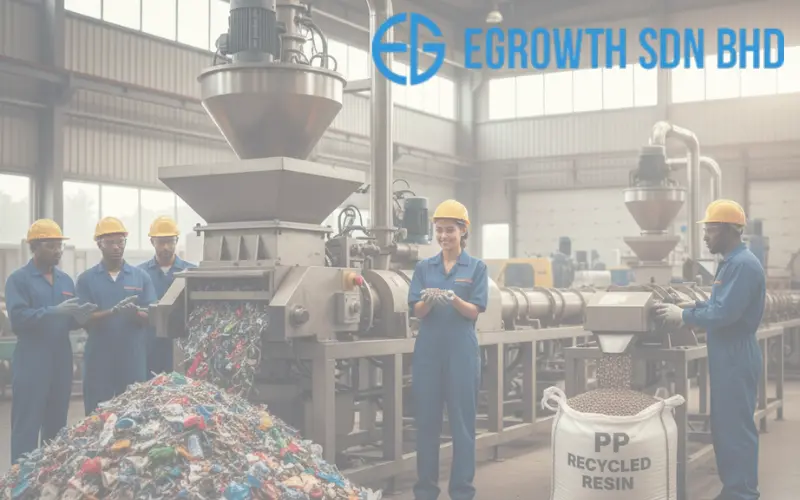
In the ever-evolving landscape of sustainable materials, 2026 marks a pivotal year for recycled polypropylene. Once relegated to niche applications, this versatile plastic is stepping into the spotlight as industries and consumers alike embrace its potential. As a recycled polypropylene manufacturer, I’ve witnessed firsthand how innovations and shifting priorities are propelling recycled polypropylene from the sidelines to the mainstream. But what exactly is driving this surge? In this blog post, we’ll explore the factors making recycled polypropylene a game-changer, from technological breakthroughs to global policy shifts. By the end, you’ll see why 2026 could be the year recycled polypropylene reshapes the way we think about plastics.
What Is Recycled Polypropylene and Why Does It Matter?
Polypropylene (PP) is one of the most common plastics on the planet, used in everything from food packaging to automotive parts due to its durability, flexibility, and resistance to chemicals. Recycled polypropylene takes post-consumer or post-industrial PP waste think yogurt containers, bottle caps, and old car bumpers and transforms it into new, usable material. The process involves sorting, cleaning, shredding, and reprocessing the plastic into pellets that can be molded into fresh products.
What makes recycled polypropylene special is its recyclability. Unlike some plastics that degrade with each cycle, PP can often be recycled multiple times without significant loss of quality. As a recycled polypropylene manufacturer, we focus on creating high-grade resins that match or even surpass virgin PP in performance. This closed-loop approach reduces waste, conserves energy, and cuts down on fossil fuel dependency. In 2026, with global plastic pollution at a crisis point, recycled polypropylene offers a practical solution to a pressing problem.
Technological Advancements Paving the Way
One of the biggest reasons recycled polypropylene is going mainstream is the leap in recycling technology. Traditional methods were limited by contamination and inconsistent quality, but recent innovations are changing the game. Advanced sorting systems using AI and machine learning can now identify and separate PP from mixed waste streams with pinpoint accuracy. Chemical recycling techniques, which break down plastics into their molecular building blocks, allow for purer, higher-quality recycled PP.
As a recycled polypropylene manufacturer, we’ve invested in extrusion and compounding technologies that blend recycled PP with additives to enhance properties like UV resistance and flame retardancy. This means recycled PP can now compete in demanding applications, such as textiles for outdoor furniture or filaments for 3D printing. In 2026, these advancements are making recycled PP not just viable but preferable, with companies reporting up to 90% efficiency in recycling processes. It’s a far cry from the days when recycled plastics were seen as inferior now, they’re engineered for excellence.
Regulatory and Policy Changes Driving Adoption
Governments worldwide are stepping up with policies that mandate recycled content in products. The European Union’s Circular Economy Action Plan, for instance, sets ambitious targets for plastic recycling, pushing manufacturers to incorporate at least 30% recycled materials by 2030. In the U.S., states like California and New York are enacting laws requiring recycled PP in packaging and consumer goods. Internationally, initiatives like the UN’s Sustainable Development Goals are encouraging a shift away from single-use plastics.
These regulations are creating a level playing field, where recycled polypropylene manufacturer like ours can thrive. Bans on certain virgin plastics in key sectors, such as food contact materials, are forcing innovation. In 2026, with enforcement ramping up, businesses are scrambling to adopt recycled PP to avoid fines and appeal to eco-conscious markets. This regulatory push isn’t just punitive it’s catalytic, fostering a culture of sustainability that benefits everyone.
Economic Factors Making Recycled PP Attractive
Economically, recycled polypropylene is a smart choice. The cost of virgin PP has risen due to fluctuating oil prices and supply chain disruptions, while recycled PP often comes at a discount. As a recycled polypropylene manufacturer, we source waste materials at low or no cost, passing savings to clients. This price advantage is compounded by subsidies and tax incentives for sustainable practices, making recycled PP a profitable alternative.
Moreover, the market for recycled plastics is booming. Valued at over $50 billion globally in 2023, it’s projected to hit $100 billion by 2028. Companies are investing in recycling infrastructure, creating jobs and stimulating local economies. In 2026, as brands seek to cut costs and boost margins, recycled PP is becoming the go-to material. It’s not just about doing good it’s about doing well.
Rising Consumer Demand and Awareness
Consumers are the ultimate drivers of change. With awareness campaigns like the Plastic Pollution Coalition and viral social media challenges, people are demanding greener products. Surveys show that 70% of millennials and Gen Z prioritize sustainability when shopping, influencing brands to switch to recycled materials. Recycled polypropylene, with its clean, recycled appeal, fits perfectly into this narrative.
In 2026, we’re seeing a surge in consumer-facing products made from recycled PP, from reusable bags to eco-friendly toys. As a recycled polypropylene manufacturer, we collaborate with brands to create transparent supply chains, where customers can trace the recycled content. This trust-building is key to mainstream adoption, turning recycled PP from a buzzword into a buying decision.
Applications and Real-World Case Studies
Recycled polypropylene’s versatility is shining in diverse applications. In packaging, it’s used for bottles and containers that are lightweight yet sturdy. In the automotive industry, recycled PP replaces virgin plastics in dashboards and bumpers, reducing vehicle weight and emissions. Textiles made from recycled PP are popping up in fashion and home goods, offering a sustainable alternative to cotton or polyester.
Take the case of Patagonia, which uses recycled PP in its outdoor gear. Or consider IKEA’s furniture lines, where recycled PP components help achieve circularity goals. As a recycled polypropylene manufacturer, we’ve supplied materials for these projects, seeing firsthand how recycled PP enhances product performance while lowering environmental impact. In 2026, expect to see it in everyday items like phone cases and medical devices, proving its mainstream potential.
Overcoming Challenges in Recycled PP Adoption
Of course, challenges remain. Contamination from food residues or mixed plastics can complicate recycling, and not all PP is equally recyclable. Color inconsistencies and odor issues have historically deterred use. However, solutions are emerging: Improved washing technologies and color-matching additives are addressing these. As a recycled polypropylene manufacturer, we conduct rigorous testing to ensure our products meet standards, building confidence in the market.
Scalability is another hurdle, but investments in recycling plants are surging. In 2026, with global partnerships and AI-driven logistics, we’re overcoming bottlenecks. Education and collaboration are key by working with waste collectors and policymakers, the industry is turning obstacles into opportunities.
The Role of Recycled Polypropylene Manufacturers
At the heart of this mainstream shift are recycled polypropylene manufacturers like ours. We bridge the gap between waste and product, innovating to deliver consistent, high-quality materials. Our expertise in compounding and extrusion ensures recycled PP performs like new, while our commitment to sustainability sets industry benchmarks. In 2026, as demand grows, manufacturers are expanding capacities and forming alliances to meet the needs of a circular economy.
We’re not just producers; we’re advocates. By sharing knowledge and best practices, recycled polypropylene manufacturers are educating stakeholders and driving change. If you’re considering recycled PP for your business, partnering with a reputable manufacturer can make all the difference.
Future Outlook for 2026 and Beyond
Looking ahead, 2026 is just the beginning. With continued tech advancements and policy support, recycled polypropylene could dominate the plastics market. Bio-based enhancements and hybrid materials will further boost its appeal. As a recycled polypropylene manufacturer, I’m optimistic about a future where waste is wealth, and plastics are part of a regenerative cycle.
Embrace the Recycled PP Revolution
Recycled polypropylene is no longer a novelty it’s a necessity. In 2026, technological, regulatory, economic, and consumer forces are propelling it mainstream, offering a sustainable path forward. As a recycled polypropylene manufacturer, we’re proud to lead this charge. If you’re ready to make the switch, contact us to explore how recycled PP can transform your products. Together, let’s build a cleaner, greener world one recycled pellet at a time.
