
In a world grappling with environmental crises, the concept of a circular economy has emerged as a beacon of hope. Unlike the traditional linear model of “take, make, dispose,” the circular economy emphasizes reuse, recycling, and regeneration. This approach is particularly transformative in industries like resin manufacturing, where plastic waste is abundant and often ends up in landfills or oceans. As a plastic resin manufacturer committed to sustainability, we’re seeing firsthand how shifting to circular practices can turn waste into new, high-quality products. In this blog post, we’ll dive deep into the circular economy in resin manufacturing, exploring its principles, benefits, challenges, and real-world applications. By the end, you’ll understand why this model isn’t just an option it’s essential for the future of our planet.
Understanding the Circular Economy in Resin Manufacturing
At its core, the circular economy is about designing out waste and keeping materials in use for as long as possible. In resin manufacturing, this means rethinking how we produce and handle plastics. Plastics, derived from resins, are ubiquitous in everyday life from packaging to automotive parts. However, their durability, which is a strength, also makes them a persistent pollutant. According to the World Economic Forum, over 300 million tons of plastic are produced annually, with only about 9% recycled.
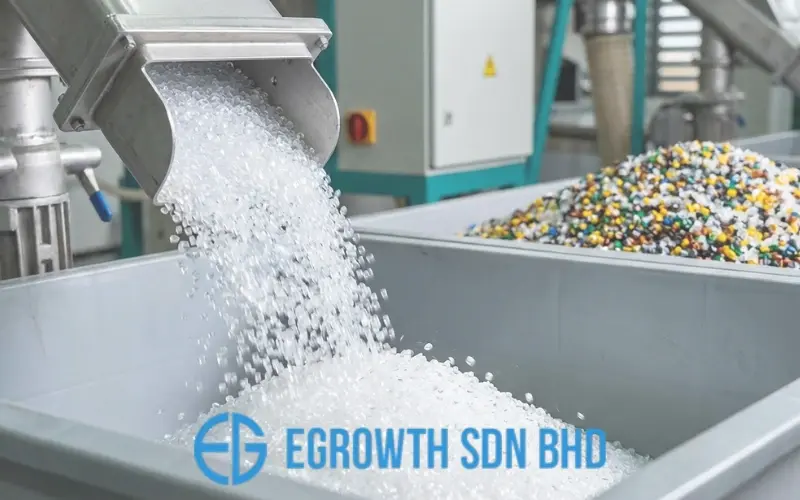
A plastic resin manufacturer plays a pivotal role in this shift. Companies like ours are innovating to create resins from recycled materials, closing the loop on plastic waste. The process involves collecting post-consumer or post-industrial waste, sorting it, and processing it into new resin pellets. These pellets can then be used to manufacture everything from bottles to furniture, reducing the need for virgin materials.
Imagine a plastic bottle you toss into the recycling bin. In a circular system, that bottle doesn’t disappear it gets shredded, melted, and reformed into a new product. This “waste-to-resource” mentality is revolutionizing resin manufacturing, making it more sustainable and economically viable.
The Benefits of Circular Practices in Resin Production
The advantages of adopting a circular economy in resin manufacturing are multifaceted, impacting the environment, economy, and society.
Environmental Impact
One of the most compelling benefits is the reduction in plastic pollution. By recycling resins, we decrease the demand for fossil fuels used in virgin plastic production. For instance, producing recycled resin requires up to 88% less energy than making new plastic from scratch. This not only lowers greenhouse gas emissions but also conserves natural resources. As a plastic resin manufacturer, we’ve seen how our recycled resins help divert millions of tons of waste from landfills and oceans, protecting wildlife and ecosystems.
Moreover, circular economy principles promote product longevity. Manufacturers design resins that are easier to recycle, leading to higher-quality recycled materials. This creates a virtuous cycle where products are made to last, repaired, and reused, minimizing waste.
Economic Advantages
Economically, the circular model opens new revenue streams. Plastic resin manufacturers can sell recycled resins at competitive prices, often at a premium due to their eco-friendly appeal. Companies investing in recycling technology are also tapping into government incentives and subsidies aimed at reducing waste. For example, the European Union’s Circular Economy Action Plan encourages businesses to adopt sustainable practices, providing funding for innovation.
Additionally, it fosters job creation. Recycling facilities, sorting operations, and research into new resin formulations require skilled labor. In regions where traditional manufacturing jobs are declining, circular economy initiatives are revitalizing local economies.
Social and Ethical Dimensions
On a societal level, circular resin manufacturing promotes ethical consumption. Consumers are increasingly demanding sustainable products, and brands that use recycled resins can build stronger reputations. This shift also addresses global inequalities, as plastic waste disproportionately affects developing countries. By turning waste into products, we’re contributing to a more equitable world where resources are shared responsibly.
How Plastic Resin Manufacturers Implement Circular Strategies
Implementing circular economy principles in resin manufacturing involves several key steps. Let’s break it down.
Collection and Sorting
The journey begins with collecting waste. Plastic resin manufacturers partner with municipalities, retailers, and consumers to gather recyclable plastics. Advanced sorting technologies, like optical scanners and AI-driven systems, separate different types of resins based on their chemical composition. This ensures high-quality feedstock for recycling.
Processing and Recycling
Once sorted, the plastics are cleaned, shredded, and melted into pellets. Mechanical recycling is common for thermoplastics like polyethylene and polypropylene. For more complex resins, chemical recycling breaks down plastics into monomers, which are then reassembled into new materials. As a plastic resin manufacturer, we invest in state-of-the-art facilities to achieve this, ensuring our recycled resins meet industry standards for purity and performance.
Innovation in Product Design
Circularity also involves designing products for recyclability. This means using mono-materials, avoiding additives that complicate recycling, and incorporating recycled content from the outset. For example, our company develops resins that can be recycled multiple times without losing properties, extending their lifecycle.
Collaboration Across the Supply Chain
No single entity can achieve circularity alone. Plastic resin manufacturers collaborate with suppliers, manufacturers, and retailers to create closed-loop systems. Take the automotive industry: Companies like Ford are using recycled resins in car parts, which are then recycled at the end of the vehicle’s life. Such partnerships amplify the impact, creating a network of sustainability.
Real-World Examples and Case Studies
To illustrate the power of the circular economy in resin manufacturing, let’s look at some inspiring examples.
The Coca-Cola Company’s PlantBottle
Coca-Cola has been a pioneer in using recycled resins. Their PlantBottle, made from up to 100% recycled PET, has diverted billions of bottles from landfills. As a plastic resin manufacturer, we supply similar materials, enabling brands to reduce their environmental footprint while maintaining product quality.
Adidas and Parley for the Oceans
Sportswear giant Adidas partnered with Parley for the Oceans to create sneakers from ocean plastic waste. The resin used in these shoes is recycled from marine debris, turning pollution into fashion. This initiative has collected over 40 million pounds of plastic, showcasing how circular practices can drive innovation and consumer engagement.
Our Own Initiatives as a Plastic Resin Manufacturer
At our facility, we’ve implemented a zero-waste program where 95% of our production waste is recycled back into new resins. We also offer custom formulations for clients looking to incorporate recycled content, from biodegradable resins to high-performance engineering plastics. These efforts not only reduce our carbon footprint but also inspire industry-wide change.
Challenges and Solutions in Circular Resin Manufacturing
Despite its promise, the circular economy in resin manufacturing faces hurdles. One major challenge is contamination. Plastics often contain impurities that make recycling difficult and costly. Solution: Advanced purification technologies and consumer education on proper sorting.
Another issue is the quality of recycled resins. They may not always match virgin materials in strength or consistency. However, ongoing R&D is bridging this gap, with innovations like nanotechnology enhancing recycled resins’ properties.
Regulatory and economic barriers also exist. Inconsistent recycling laws across regions hinder global efforts. To overcome this, plastic resin manufacturers advocate for standardized policies and invest in scalable technologies.
Finally, scaling up requires significant investment. But as costs decrease and demand grows, the ROI becomes evident. Governments and NGOs are stepping in with grants, making circularity more accessible.
The Future of Circular Economy in Resin Manufacturing
Looking ahead, the future is bright for circular resin manufacturing. Emerging technologies like bio-based resins and AI-optimized recycling will make processes more efficient. We anticipate a shift towards “circular by design,” where products are conceived with end-of-life in mind.
As a plastic resin manufacturer, we’re excited about trends like the rise of biodegradable resins and blockchain for tracking recycled materials. These developments will ensure transparency and trust in the supply chain.
Consumers will play a crucial role too. By choosing products from circular brands, they drive demand for sustainable resins. Together, we can create a world where waste is a thing of the past.
Join the Circular Revolution
The circular economy in resin manufacturing isn’t just a trend it’s a necessity for a sustainable future. By transforming waste into new products, plastic resin manufacturers like ours are reducing pollution, conserving resources, and fostering innovation. If you’re in the industry or simply passionate about the environment, consider how you can contribute. Whether through recycling at home or partnering with sustainable suppliers, every action counts.
